
Are you sourcing galvanized iron wire or black annealed wire for 2026 and trying to work out a fair price before you talk to suppliers? Wire pricing moves with steel input costs, zinc coating weight, and gauge, so a single “price per roll” number rarely tells the full story. Below is a quick reference so you can compare relative cost tiers and typical applications before we go deeper.
| Wire Type | Typical Gauge (BWG) | Price Level | Best Fit Application | Common Roll Weight |
|---|---|---|---|---|
| Black Annealed Wire | 16 – 8 gauge | Tier 1 — Lowest Cost | Rebar tying, indoor construction binding | 25kg coil |
| Electro-Galvanized Wire | 20 – 12 gauge | Tier 2 — Economical | Light mesh manufacturing, temporary fences | 25kg coil |
| Hot-Dip Galvanized Wire | 18 – 8 gauge | Tier 3 — Standard B2B | Outdoor wire mesh, agricultural trellises | 25kg / 50kg coil |
| PVC Coated Iron Wire | 18 – 14 gauge | Tier 4 — Premium | High-end coastal fencing, garden borders | Per roll / coil |
*Note: Iron wire is a commodity-adjacent product heavily affected by steel rod pricing. For a real-time customized FOB/CIF wholesale quote, please submit a rapid inquiry to our factory sales desk.
What Is Iron Wire, and Why Do Buyers Choose Galvanized or Black Annealed?
Iron wire is drawn low-carbon steel wire, finished either as bare “black” wire, annealed (heat-treated for softness and flexibility), or coated in zinc for corrosion resistance. The two workhorse categories in B2B trade are galvanized iron wire and black annealed wire, and buyers typically choose between them based on where the wire will end up: exposed outdoor use calls for galvanizing, while indoor tying, binding, and construction applications often use black annealed wire because it is softer and cheaper.
How Galvanized and Black Annealed Wire Are Made
Production starts with wire rod that’s drawn down through dies to the target diameter. For black annealed wire, the drawn wire is annealed in a controlled furnace atmosphere, which relieves internal stress from drawing and leaves the wire soft and easy to bend or twist by hand — this is why it’s the standard choice for rebar tie wire and general binding. For galvanized wire, the process adds a zinc layer, either by hot-dip immersion (thicker, more durable coating, generally used for fencing and outdoor mesh) or electro-galvanizing (a thinner, more uniform coating, often used where a cleaner finish matters more than maximum corrosion resistance). Coating method and zinc weight are two of the biggest levers on both price and service life, so it’s worth asking any supplier exactly which process they use rather than assuming “galvanized” means one thing.
Where Buyers Actually Use These Wires
Construction sites use black annealed wire for tying rebar and binding formwork. Fencing and mesh manufacturers buy galvanized wire as the base material for chain link, welded mesh, and gabion products. Agriculture uses both — softer annealed wire for general baling and tying, galvanized wire where the fence or trellis needs to survive years outdoors. Industrial buyers also purchase iron wire as a raw material to draw down further or weave into their own finished products, which is why gauge consistency and mechanical properties (tensile strength, elongation) matter as much as price on a spec sheet.
For buyers comparing coated versus bare wire for a specific application, our galvanized wire product page lays out the coating and gauge options we currently produce, and our wire mesh supplier page is a useful next stop if the wire is destined to become mesh rather than being used as loose coil. If you’re sourcing black annealed or general iron wire specifically, our black annealed wire (黑丝) page and iron wire supplier overview cover gauge ranges and typical order formats.

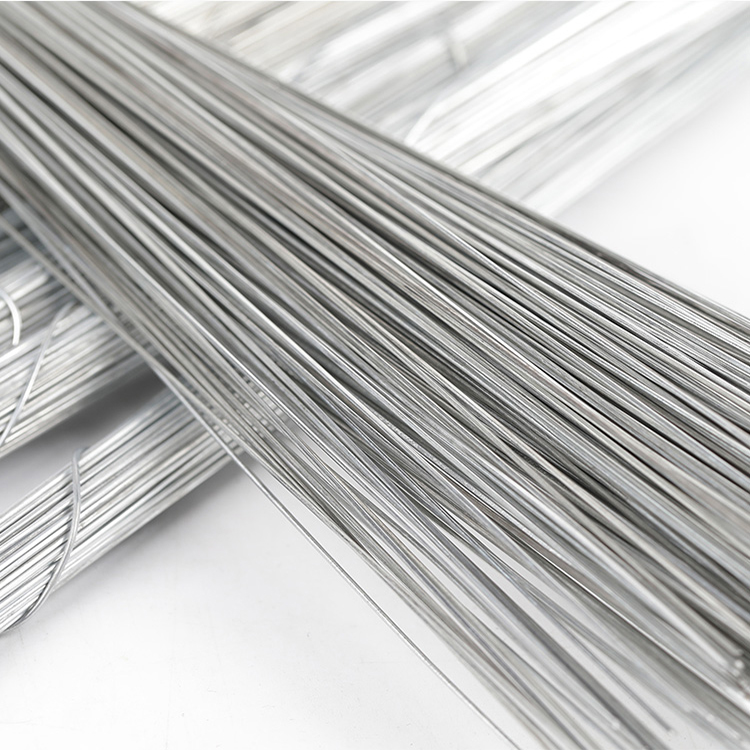
As a general note on sourcing strategy: wire is a commodity-adjacent product, so the price gap between suppliers is usually explained by coating quality, packaging, and reliability of delivery — not by the wire itself being fundamentally different.
Iron Wire Prices Going Into 2026
Wire pricing tracks two things most closely: the underlying steel wire rod price (which moves with broader steel and iron ore markets) and, for galvanized product, the zinc price. When either input rises, expect wire quotes to move within weeks rather than months, since most mills and traders reprice on a rolling basis rather than holding fixed pricing for long periods.
Regional Price Behavior
In the Philippines, local hardware and construction suppliers typically quote black annealed tie wire and galvanized wire by the kilogram or per coil, with prices varying by region depending on how much of the supply chain is import-dependent versus locally stocked. On global B2B platforms, quoted prices for the same nominal gauge can vary substantially between suppliers — this is less about hidden markups and more about differences in minimum order quantity, coating spec, and whether the quote includes freight. Because steel wire rod and zinc are both actively traded commodities, any regional price comparison published today can be outdated within days — buyers who need a current, region-specific figure are better served asking suppliers directly for a live quote than relying on a fixed published range.
For buyers comparing several supplier quotes side by side, it’s worth normalizing everything to price-per-kilogram-per-gauge before comparing, since roll weight and length conventions differ by region and by supplier.
What’s Moving the Market
Steel wire rod pricing has generally tracked broader steel input costs, and zinc pricing adds a second variable specifically for galvanized product. Buyers who need budget certainty for a large order sometimes lock pricing in advance with a supplier rather than buying spot, particularly when a project’s timeline stretches over several months and exposes them to input-cost movement. If you’re planning volume purchasing, it’s worth asking any shortlisted supplier directly how their pricing responds to raw material swings, since suppliers who buy wire rod on long-term contracts are often able to offer more price stability than those buying spot.
What Actually Determines Iron Wire Price
Four factors explain most of the price difference you’ll see between quotes for what looks like “the same” wire on paper.
Coating Type: Hot-Dip Galvanized vs Electro-Galvanized vs Black Annealed
Hot-dip galvanizing applies a heavier, more durable zinc coating and costs more per kilogram than electro-galvanizing, but it also lasts substantially longer in outdoor or humid conditions. Electro-galvanizing gives a lighter, more cosmetically uniform coating at a lower price point, suited to applications where the wire won’t face sustained weather exposure. Black annealed wire has no coating at all, which makes it the cheapest of the three, but also the least corrosion-resistant — it’s meant for indoor or short-term use, or for applications where the wire will be embedded in concrete and not exposed to the elements long-term.
Wire Gauge (8–22 Gauge)
Gauge is inversely related to diameter — a lower gauge number means a thicker wire. Thicker wire uses more raw steel per meter, so price per kilogram is fairly consistent across gauges, but price per roll or per meter changes significantly with gauge. Buyers should always confirm whether a quote is priced per kilogram or per roll/coil, since gauge differences can otherwise make quotes look misleadingly different when they’re actually comparable on a per-kilo basis.
Order Volume and MOQ
Because wire is priced close to raw material cost, the biggest lever a buyer has is order volume. Larger orders reduce the supplier’s per-unit packaging and handling cost and can unlock better raw-material pricing on the supplier’s end. If your order volume sits below a supplier’s standard minimum, expect either a per-unit surcharge or a request to consolidate with other product lines in the same shipment.
Supply Chain, Freight, and Tariffs
For international buyers, landed cost is often shaped as much by freight and duties as by the wire’s ex-factory price. Container utilization matters too — wire is dense and heavy, so a full container of wire will often hit weight limits before it hits volume limits, which changes how freight cost gets allocated per unit compared to lighter cargo. Buyers sourcing across borders should ask for landed-cost quotes (ex-factory plus freight plus duty) rather than comparing ex-factory prices alone, since ex-factory-only comparisons can be misleading once shipping is added.
Iron Wire Types Compared: Cost, Durability, and Best Fit
Here’s how the main iron wire categories stack up against each other on the factors that matter most to B2B buyers.
Galvanized Wire (Hot-Dip and Electro)
Best fit: fencing, mesh manufacturing, outdoor tying, agricultural use. Hot-dip coating gives the longest outdoor service life of the standard wire types; electro-galvanized costs less but suits shorter-exposure or indoor-adjacent use. If overlooked, using electro-galvanized wire in a genuinely outdoor, high-humidity application can mean re-coating or replacement well before a hot-dip product would need it.
See our galvanized wire product page for available gauges and coating specs.
Black Annealed Wire
Best fit: rebar tying, formwork binding, general indoor use, embedded-in-concrete applications. It’s the softest and most workable of the wire types, which is exactly why it’s the standard for hand-tying on construction sites, but it is not intended for sustained outdoor exposure. If overlooked, specifying black annealed wire for an exposed application will lead to visible rust and reduced tensile performance well ahead of a coated alternative.
Our black annealed wire (黑丝) page has gauge and packaging details.
PVC Coated Wire
Best fit: fencing where a colored, cosmetic finish is wanted alongside corrosion resistance, or applications near gardens/pools where a softer visual profile matters. PVC coating sits on top of a galvanized core, so it combines the corrosion resistance of zinc with a colored outer layer, at a price premium over bare galvanized wire.
Why Construction Companies and Wholesalers Prefer Independent Iron Wire Suppliers
Large trading companies and mill-direct channels work well for buyers who need a single, standard spec at maximum volume. But most construction firms and wholesale buyers have requirements that don’t fit neatly into a standard catalog — a specific gauge tolerance, a packaging format suited to their site logistics, or a delivery timeline that a large mill’s production queue can’t accommodate. This is where independent, factory-direct suppliers like Wing Wai Metal — established in 1988, operating 7 factories with 600+ staff, BSCI certified, and shipping to 100+ countries — tend to fit better.

Customization Without the Standard-Catalog Constraints
Independent suppliers can adjust gauge, coating thickness, coil weight, and packaging to match a specific project rather than asking the buyer to adapt to a fixed product line. For buyers combining wire with other steel products in one shipment, this flexibility also extends to consolidating orders — see our bulk wire mesh options if your project needs both loose wire and finished mesh from the same source.
Cost and Waste Efficiency
Because an independent supplier can cut and pack to the buyer’s actual requirement rather than a standard SKU, buyers typically see less leftover material and fewer site-level adjustments, which reduces both direct material waste and the labor spent reworking oversized or undersized stock on-site.
Quality Control Buyers Can Verify
Reputable independent suppliers run wire through documented QC checks — tensile strength, coating weight/adhesion for galvanized product, and dimensional tolerance — and should be able to provide mill test reports or equivalent documentation on request. Buyers should treat the willingness to share this documentation as a basic qualifying question, not an optional extra.
Delivery Speed
Smaller, more agile factories can often turn around production runs faster than large mills working through a longer order queue, which matters most for buyers managing tight project schedules where a delayed wire shipment holds up downstream work like rebar tying or fence installation.
Environmental and Compliance Considerations
Buyers working on projects with sustainability certification requirements (such as LEED-aligned builds) should ask suppliers directly about recycled steel content and production emissions documentation, since this varies significantly by factory and isn’t something that can be assumed from “galvanized” or “annealed” alone. Taken together, these factors are why more construction firms and wholesale buyers are moving away from standard-catalog sourcing and working directly with agile, factory-certified suppliers for their wire requirements.
How to Get the Best Price on Iron Wire
Compare Quotes on a Like-for-Like Basis
Before requesting quotes, fix your specs: gauge, coating type, coil weight, and packaging format. Ask every supplier to quote against the exact same spec sheet so you’re comparing price-per-kilogram rather than comparing apples to oranges across different coating weights or roll formats.
Negotiate Around Volume and Timing
Suppliers generally have more room to negotiate on larger orders and on orders that fit their existing production schedule rather than requiring a rushed run. If your timeline has any flexibility, mentioning that upfront can sometimes unlock better pricing than a rigid delivery date would.
Avoid Common Pitfalls
Always confirm whether a quoted price is ex-factory or landed (including freight and duty). Ask for coating weight specifications on galvanized wire rather than accepting “galvanized” as a specification on its own. And request documentation — mill test reports or equivalent — before committing to a large order from a new supplier.
Frequently Asked Questions About Iron Wire Pricing
What is the average price of galvanized iron wire per roll?
It depends heavily on gauge, coating type (hot-dip vs electro), and roll weight, so there isn’t a single meaningful average — request a quote against your exact specification for an accurate figure.
How do I choose the right wire gauge for my project?
Match gauge to load and application: heavier structural or fencing applications typically use lower gauge numbers (thicker wire), while general tying and binding use higher gauge numbers (thinner wire). Your project engineer or supplier’s technical team can confirm the right gauge for your specific load requirements.
What’s the difference between hot-dip and electro-galvanized wire?
Hot-dip galvanizing applies a thicker, more durable zinc coating suited to long-term outdoor use; electro-galvanizing applies a thinner, more cosmetically uniform coating at a lower cost, better suited to indoor or short-exposure use.
Why choose an independent supplier over a large mill or trading company?
Independent, factory-direct suppliers typically offer more flexibility on gauge, packaging, and order size, along with faster turnaround for non-standard specifications — useful for buyers whose requirements don’t fit a large mill’s standard catalog.
Get Your Iron Wire Quote
Whether you need galvanized wire, black annealed wire, or a custom coating and gauge specification, Wing Wai Metal has produced iron wire for construction, agriculture, and industrial buyers across 100+ countries since 1988, backed by BSCI certification and factory-direct pricing.
Ready for a quote? Contact us here and we’ll get back to you with pricing against your exact specification.